|
The staff of Martins Bank
has an honourable role in the two major conflicts of the Twentieth
Century. Still separate throughout the
First World War, the Bank of Liverpool and Martin’s Private Bank both suffer
losses, and both also have members of staff who return from the duties of
serving King and Country to resuming long and full careers with the Bank. In the Second World War the new Martins
Bank Limited suffers the loss of more lives, and with the advent of mass
targeted bombing, a total of SEVEN of its Branch buildings, too. We have split our “Martins at War” feature
into two separate sections of information pages, as follows:

|
|
The
First World War
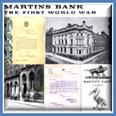 Whilst we have only a small
amount of information regarding The Bank of Liverpool and from Martin’s
Private Bank in the First World War, we will add more to this section as
information comes to light. We feature two
very similar and quite poignant letters sent by the two Banks to relatives of
staff taking part in conflict. You can also find out about the involvement of
Martins Bank Archive in the LIVES OF WORLD WAR ONE project, which is run under the auspices of the Imperial War
Museum and attempts to tell the full life stories of everyone who fought and
died, and everyone who came back to resume their life and career. Information from many of the retirement
write-ups in Martins Bank Magazine forms our contribution to this mammoth
task, and already we have been able to fill in some gaps in the records and
supply photographs of some of Martins Staff who served in World War One. Whilst we have only a small
amount of information regarding The Bank of Liverpool and from Martin’s
Private Bank in the First World War, we will add more to this section as
information comes to light. We feature two
very similar and quite poignant letters sent by the two Banks to relatives of
staff taking part in conflict. You can also find out about the involvement of
Martins Bank Archive in the LIVES OF WORLD WAR ONE project, which is run under the auspices of the Imperial War
Museum and attempts to tell the full life stories of everyone who fought and
died, and everyone who came back to resume their life and career. Information from many of the retirement
write-ups in Martins Bank Magazine forms our contribution to this mammoth
task, and already we have been able to fill in some gaps in the records and
supply photographs of some of Martins Staff who served in World War One.
|
The Second World
War
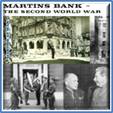 We have a selection of pages and features for the
Second World War. We look at the role played by Ambleside Branch in providing
a rest house for Martins Staff from all over the country to escape the War
for a few days of relative peace in the Lake District. Destruction in Exeter
shows the devastation of the Baedecker Air Raid on Martins’ Branch there.
Gentlemen: The Ladies! Examines the roles of women who were brought in to
manage Branches. We have copies of the newsletters – forerunners of Martins
Bank Magazine – that kept staff around World informed of the progress of the
War, and a number of special “top secrets” including Martins Bank’s
arrangements for moving key offices to safe houses, the storage of part of
the United Kingdom’s Gold Reserves in the vaults of Head Office, and a member
of the Foreign Branch Staff who becomes the interpreter between Winston
Churchill and Stalin… We have a selection of pages and features for the
Second World War. We look at the role played by Ambleside Branch in providing
a rest house for Martins Staff from all over the country to escape the War
for a few days of relative peace in the Lake District. Destruction in Exeter
shows the devastation of the Baedecker Air Raid on Martins’ Branch there.
Gentlemen: The Ladies! Examines the roles of women who were brought in to
manage Branches. We have copies of the newsletters – forerunners of Martins
Bank Magazine – that kept staff around World informed of the progress of the
War, and a number of special “top secrets” including Martins Bank’s
arrangements for moving key offices to safe houses, the storage of part of
the United Kingdom’s Gold Reserves in the vaults of Head Office, and a member
of the Foreign Branch Staff who becomes the interpreter between Winston
Churchill and Stalin…
|