|


The Bank of Liverpool has been in business for nearly sixty years when
it opens a branch at 29 Allerton Road. This was certainly a good choice of
location for a bank, as what became the Woolton branch of Martins Bank
continued to serve customers of Barclays until June 2021, one hundred and
thirty-three years later.
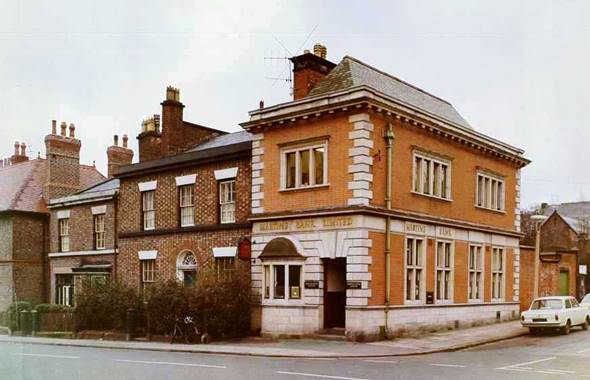
Nostalgia doesn’t come much better than this lovely colour image from
Barclays which was taken in the 1960s. We are also indebted to Robert
montgomery, who since 2009 has been photographing former Martins Branches at
time of permanent closure.
|

In Service: 2 July 1888 until 18
June 2021
Image © Barclays Ref
0030-1693
|
|
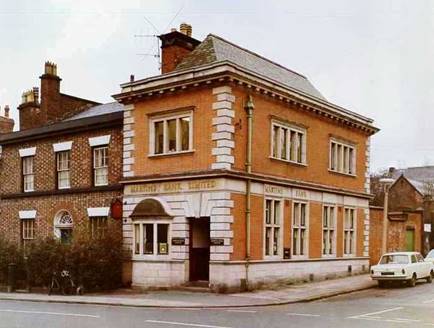
In our “then and now” feature further down this page, you can see how
the Martins Bank branding was seen once more in June 2021, when the Barclays
signs were taken down. In its Martins Bank days, Woolton operates as a full
branch of Martins right up to the merger with Barclays in 1969, and of the
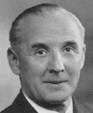
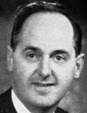
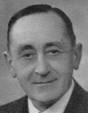
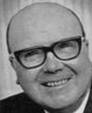
many managers at the helm, we have images of no fewer than SIX in our staff
gallery below! At the end of August
1967, one of them, Mr A Hallam retires after 43 years with Martins, the last
ten as manager of Woolton Branch. As
always on these occasions, Martins Bank Magazine is on hand to tell the
story…
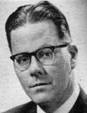
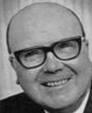
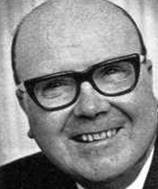
  on August 31 after 43 years'
service, all except the war years spent in the Liverpool District, Mr Hallam
retired as Manager of Woolton branch. Over fifty past and present colleagues
gathered at the branch for a buffet party which, considering it was the end
of the quarter and also the holiday season, was a tribute to his
popularity. It was particularly
pleasing to welcome the complete Hallam family, including his
eight-months-old granddaughter who, it was suggested, might swell the quota
of new savings account holders. After Mrs
Hallam had received a bouquet from Miss Jacqueline Hilton, Mr Buchanan
presented a cheque, to be used to buy a watch, and a list of over sixty
subscribers. He referred most warmly
to the excellent progress of the business during the ten years of Mr Hallam's
stewardship and made special mention of the high esteeem
of the staff, whose welfare had always been Mr Hallam's prime consideration.
In his response Arthur Hallam reflected on pleasant
memories of his Bank service and thanked Mr Buchanan for his kind words. He
also expressed appreciation of the gift, paying tribute to the support he had
always received from his staff. on August 31 after 43 years'
service, all except the war years spent in the Liverpool District, Mr Hallam
retired as Manager of Woolton branch. Over fifty past and present colleagues
gathered at the branch for a buffet party which, considering it was the end
of the quarter and also the holiday season, was a tribute to his
popularity. It was particularly
pleasing to welcome the complete Hallam family, including his
eight-months-old granddaughter who, it was suggested, might swell the quota
of new savings account holders. After Mrs
Hallam had received a bouquet from Miss Jacqueline Hilton, Mr Buchanan
presented a cheque, to be used to buy a watch, and a list of over sixty
subscribers. He referred most warmly
to the excellent progress of the business during the ten years of Mr Hallam's
stewardship and made special mention of the high esteeem
of the staff, whose welfare had always been Mr Hallam's prime consideration.
In his response Arthur Hallam reflected on pleasant
memories of his Bank service and thanked Mr Buchanan for his kind words. He
also expressed appreciation of the gift, paying tribute to the support he had
always received from his staff.
|
 A small but
growing number of former Martins Bank Branches are revealing their identity
by the removal of Barclays’ signage at time of permanent closure. Robert Montgomery has faithfully taken
photographs of closed Martins Bank Branches since 2009, and his
contemporary image of Woolton below, is a beautiful but haunting reminder
of the name of Martins, briefly revealed once more in that part of the
World… A small but
growing number of former Martins Bank Branches are revealing their identity
by the removal of Barclays’ signage at time of permanent closure. Robert Montgomery has faithfully taken
photographs of closed Martins Bank Branches since 2009, and his
contemporary image of Woolton below, is a beautiful but haunting reminder
of the name of Martins, briefly revealed once more in that part of the
World…
|
|
|
|
|
Image © Barclays Ref 0030-1693
|
Image © Martins Bank Archive Collections – Robert
Montgomery
|
|
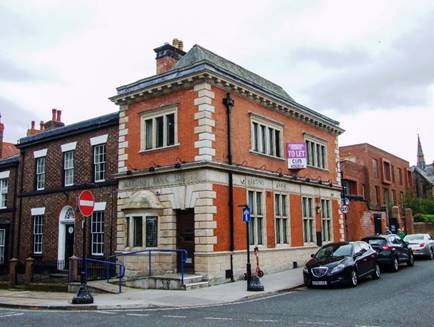
The photograph below (right)
was taken in July 2023 by the nephew of Martins Bank’s former Advertising
Manager Geoff Kelly. It is good to see not only that the name of Martins is
so indelibly etched into the stonework above the door, but also that the
building is “to let” rather than “for sale”. We hope this means that for
the time being at least, the building will remain in Barclays’ portfolio!
|
|
Hanging on the telephone…
 A
number of visitors to Martins Bank
Archive have queried the way in which branch telephone numbers are
represented in the Branch Information section at the bottom of each of our
1000+ Branch Network pages. The telephone number for a particular branch is
shown as it was written in the 1950s and 60s. Even though Subscriber Trunk
Dialling (know as STD) had been around since the late 1950s, it took more
than ten years to convert all of the telephone exchanges situated in
cities, towns and villages around the UK. A
number of visitors to Martins Bank
Archive have queried the way in which branch telephone numbers are
represented in the Branch Information section at the bottom of each of our
1000+ Branch Network pages. The telephone number for a particular branch is
shown as it was written in the 1950s and 60s. Even though Subscriber Trunk
Dialling (know as STD) had been around since the late 1950s, it took more
than ten years to convert all of the telephone exchanges situated in
cities, towns and villages around the UK.
An intermediate way of making
sure that changeover to dialling by numbers only would go smoothly, was to
represent the name of the local exchange with letters. The system of having
three letters on a phone dial or pad for each of the numbers 1-9 continued
until smartphones arrived, with their own QWERTY keyboards for typing
words. In the case of Liverpool Woolton branch, which was on the telephone
exchange at nearby Gatacre, you dialled three numbers corresponding to the
first three letters of the exchange name – that is to say GAT.
 Therefore, although the number
was written as GATacre 1034, you actually dialled 317 1034.
You would also give out your phone number to others as three letters
followed by digits. Later on, dialling codes were introduced to prefix
telephone numbers, so that to call Woolton Branch from outside Liverpool
for example, you would dial: 051(for liverpool) 317(for the local exchange) and 1034 (for the person you were calling). Therefore, although the number
was written as GATacre 1034, you actually dialled 317 1034.
You would also give out your phone number to others as three letters
followed by digits. Later on, dialling codes were introduced to prefix
telephone numbers, so that to call Woolton Branch from outside Liverpool
for example, you would dial: 051(for liverpool) 317(for the local exchange) and 1034 (for the person you were calling).
Since that time of course as the demand for more and more
connections has increased, phone numbers have changed beyond all
recognition. Incidentally, in 1927 the telephone number for the Bank of
Liverpool and Martins Branch at Kendal, was simply Kendal 8. Almost a
century on, and that number would now consist of ELEVEN digits!
|
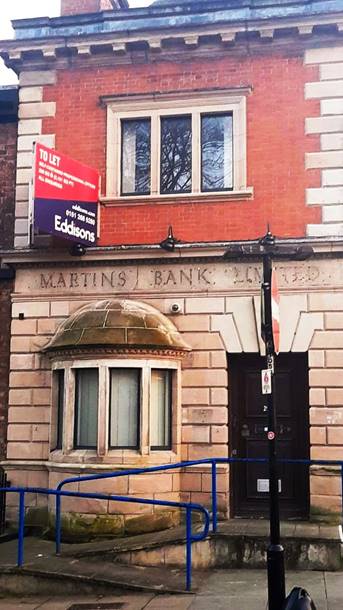
Image © Martins Bank Archive Collections – Geoff
Kelly
|
|
|
|
|

|